Acupuncture and dry needling for pain, tension, and recovery
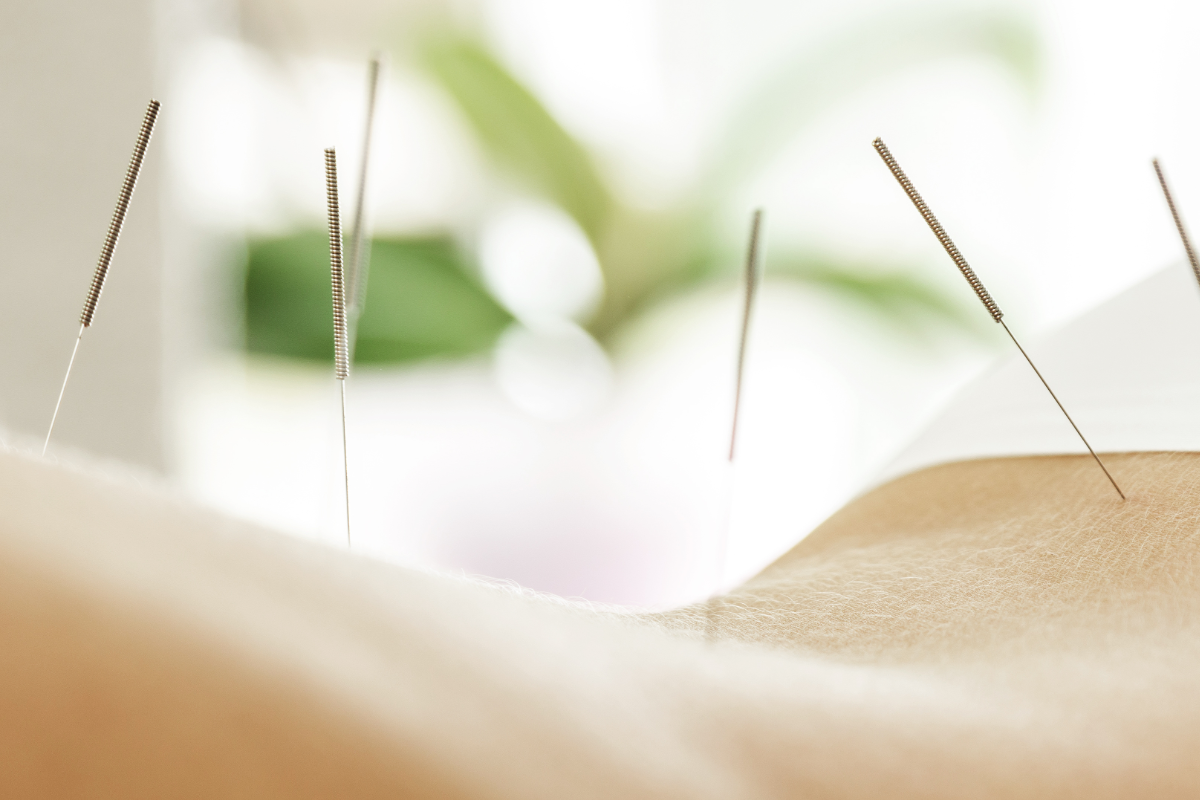
Acupuncture and dry needling are targeted treatment techniques that use thin needles to help reduce pain, decrease muscle tension, and support healing. While they are different approaches, both may be used as part of a physiotherapy treatment plan when appropriate.
At Ness Physiotherapy in Winnipeg, certified physiotherapists use single-use, disposable stainless steel needles and will discuss whether acupuncture or dry needling may be appropriate for your condition.
What is acupuncture?
Acupuncture involves inserting fine needles into specific points on the body. In physiotherapy, acupuncture may be used to help promote healing, decrease pain, and reduce muscle tension.
Acupuncture may help stimulate the release of endorphins, which are natural chemicals produced by the body that can help reduce pain.
What conditions can acupuncture help treat?
Acupuncture may be used as part of a treatment plan for:
Migraine headaches
Neurological disorders
Muscular disorders
Frozen shoulder
Repetitive strain injuries
Tennis elbow
Tendonitis
Muscle tension
Pain related to injury or overuse
Your physiotherapist will assess your condition and determine whether acupuncture is an appropriate part of your treatment plan.
What is dry needling?
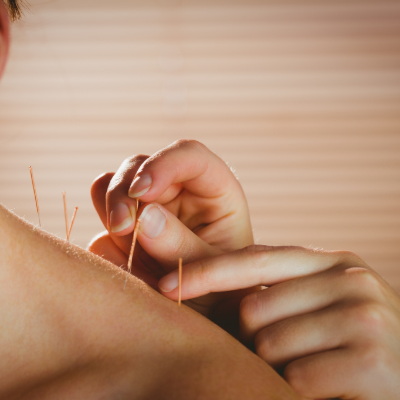
Dry needling involves inserting thin needles into tight muscles or trigger points. Trigger points are sensitive, tight areas within a muscle that may contribute to pain, restricted movement, or referred discomfort.
The goal of dry needling is to help reduce muscle tone, deactivate trigger points, restore normal muscle length, and improve function.
What is the difference between acupuncture and dry needling?
Acupuncture and dry needling both use thin needles, but they are applied differently.
Acupuncture is often used to influence pain, healing, muscle tension, and the nervous system response through specific points.
Dry needling is typically focused more directly on tight muscles and trigger points that may be limiting movement or contributing to pain.
Your physiotherapist will explain which approach is being recommended and how it fits into your treatment plan.
What does treatment feel like?
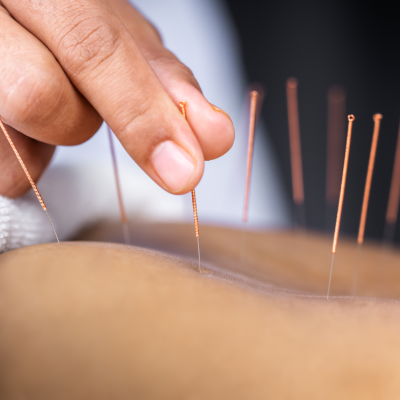
Many people feel only a small prick or pressure when the needle is inserted. Some people may feel a dull ache, heaviness, muscle twitch, or temporary soreness afterward. These responses can be normal.
Your comfort and safety are always important. If you are unsure about treatment or have questions, your physiotherapist will explain the process before beginning.
How do acupuncture and dry needling fit into physiotherapy?
Acupuncture and dry needling are often most effective when combined with other physiotherapy treatments. Depending on your condition, your plan may also include manual therapy, stretching, strengthening, posture education, activity modification, or a home exercise program.
The goal is to reduce symptoms while also addressing the movement, strength, posture, or load-related factors that may be contributing to the issue.
Frequently asked questions about acupuncture and dry needling
-
When performed by a trained professional using single-use, disposable needles, acupuncture and dry needling are generally safe treatment options for many people.
-
Some people feel a brief pinch, ache, or twitch response. Treatment should always be tolerable, and your physiotherapist can adjust based on your comfort.
-
Yes. These techniques are often integrated into a broader physiotherapy plan that may include manual therapy, exercise, education, and home care.
Book your acupuncture or dry needling assessment today
If pain or muscle tension is impacting your life, you don’t have to keep working around it. Our acupuncture and dry needling services at Ness Physiotherapy are targeted, professional, and tailored to your needs.
Call us at 204-953-1650 to take the first step toward relief and better movement.